Lundy Island
Lundy Island, Devon, United Kingdom — — By Robert WattsDistance10.5 KM
Duration5.90 Hours
Lundy Island is a small, 3 mile long and half mile wide, island located in the Bristol Channel, off the coast of Devon, England; where the Atlantic ocean meets the Bristol Channel. This means that there is nothing between it and America. Through the years the island has been owned by MPs, pirates, smugglers, and even served as a garrison for King Charles I. The island is now owned by the National Trust, but operated by the Landmark Trust.
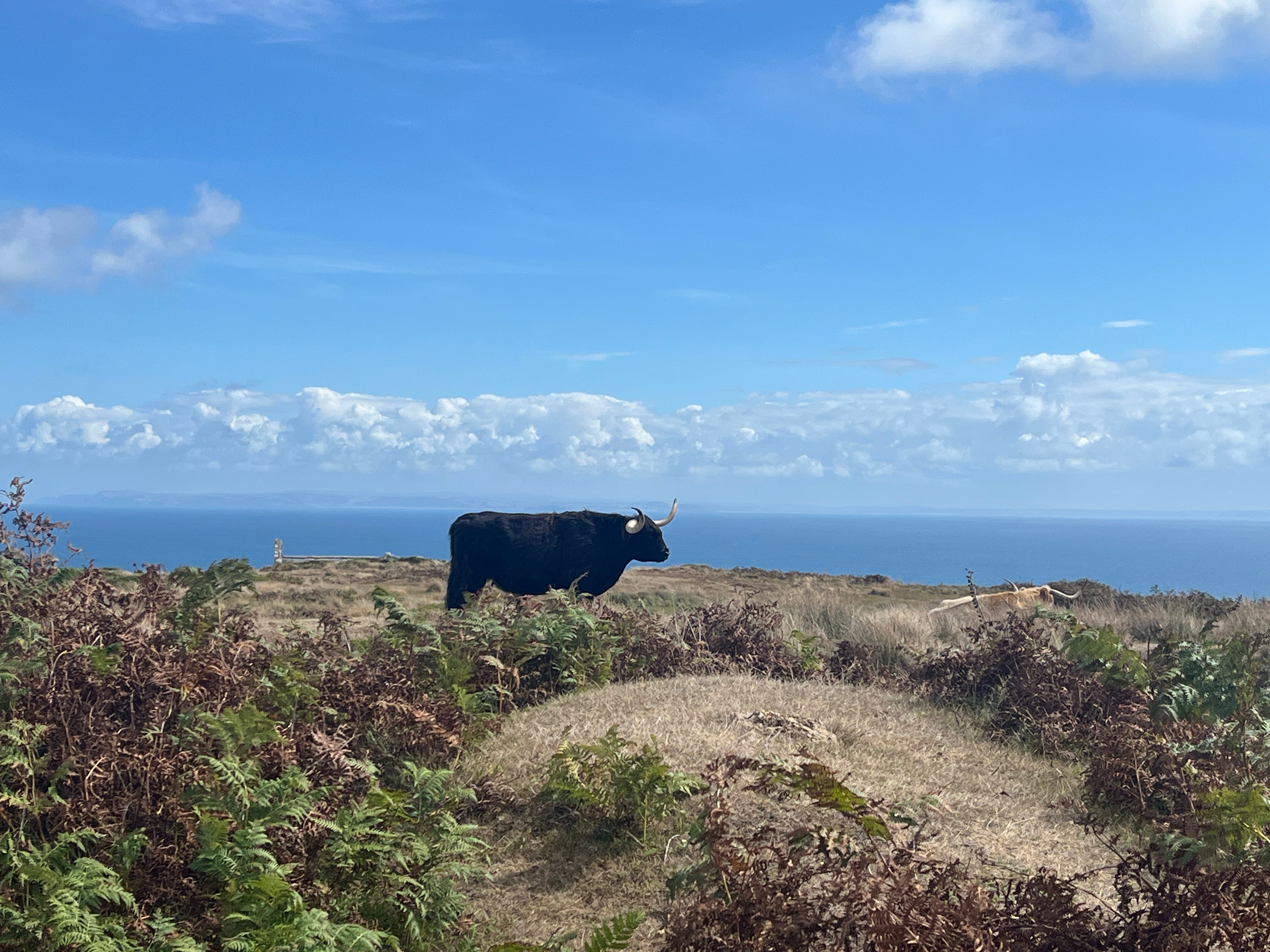
The island has many cottages and rooms for rent, a pub, a campsite, a shop and a two lighthouse’s. Oh and wildlife. Lots of whildlife. The island is called home by birds, puffins, seals, pony’s, sheep, cows, wild goats and so, so much more. Everywhere you look there is life. From shrubs to trees, to houses there is flora and fauna everywhere. The island is a haven for wildlife and is a great place to explore.
While I had intended to camp on the island, unfortunately there was a heat wave induced a water shortage which meant that the campsite was closed. So instead I did a day trip to the island, taking the ferry from Bideford in Devon. This had the unfortunate effect of meaning I had to leave the island at 6pm, which was a shame as I would have liked to have stayed longer and explored more of the island. The ferry takes about 2 hours to reach the island, and it is a very scenic journey. You start by going out the estuary of the river Taw, then out into the Bristol Channel.
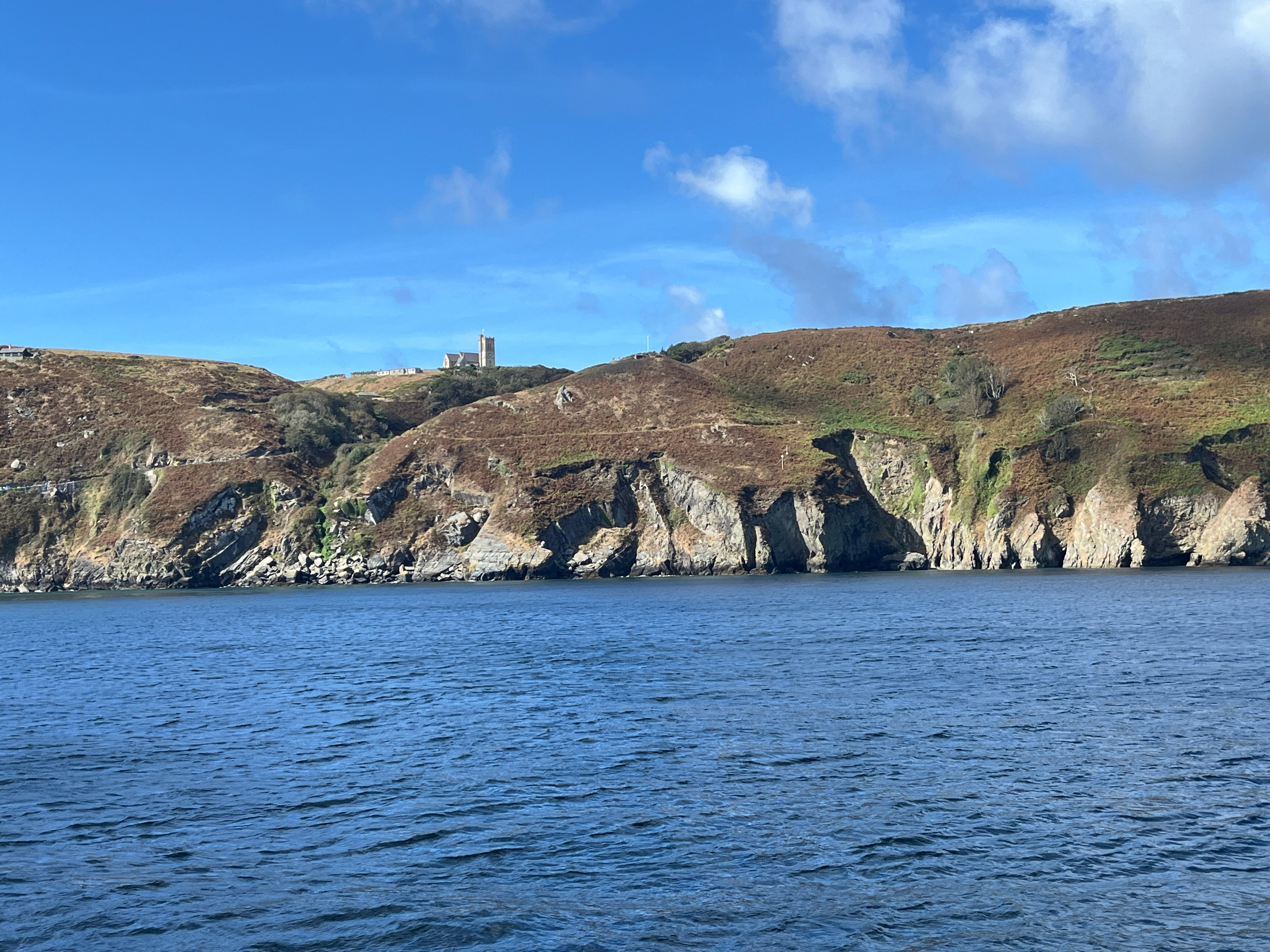
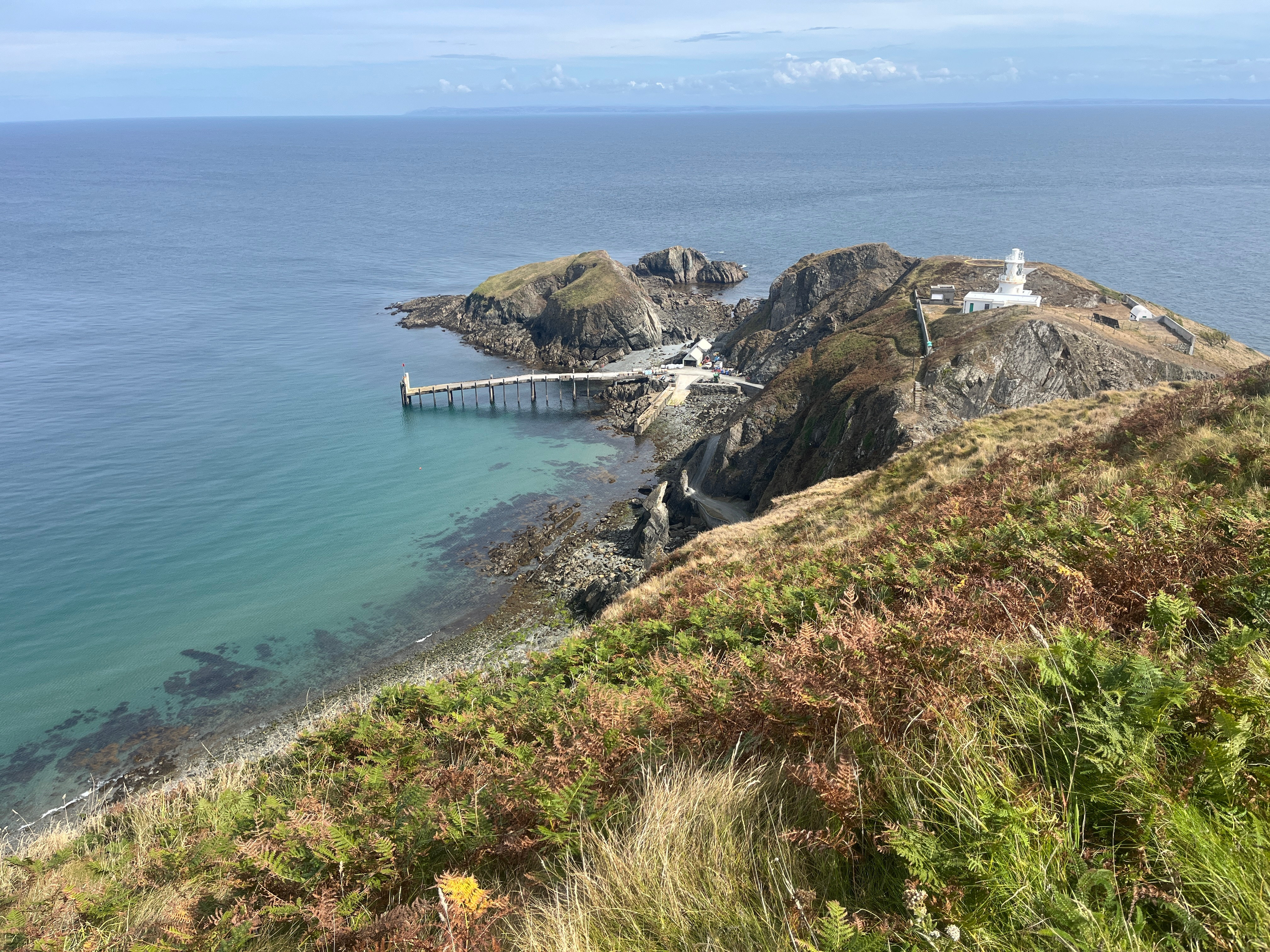
The boat drops you off at the harbour and then you have to walk up the hill to the village. The island may be small but it is a good workout climbing the hill to the village, especially in the heat. However, as you look back you can see back down to the harbour and the south lighthouse.
Once I made it up to the village, I had a look around. I purchased a few souvenirs before having a wonderful meal at the pub and then set off to explore the island.
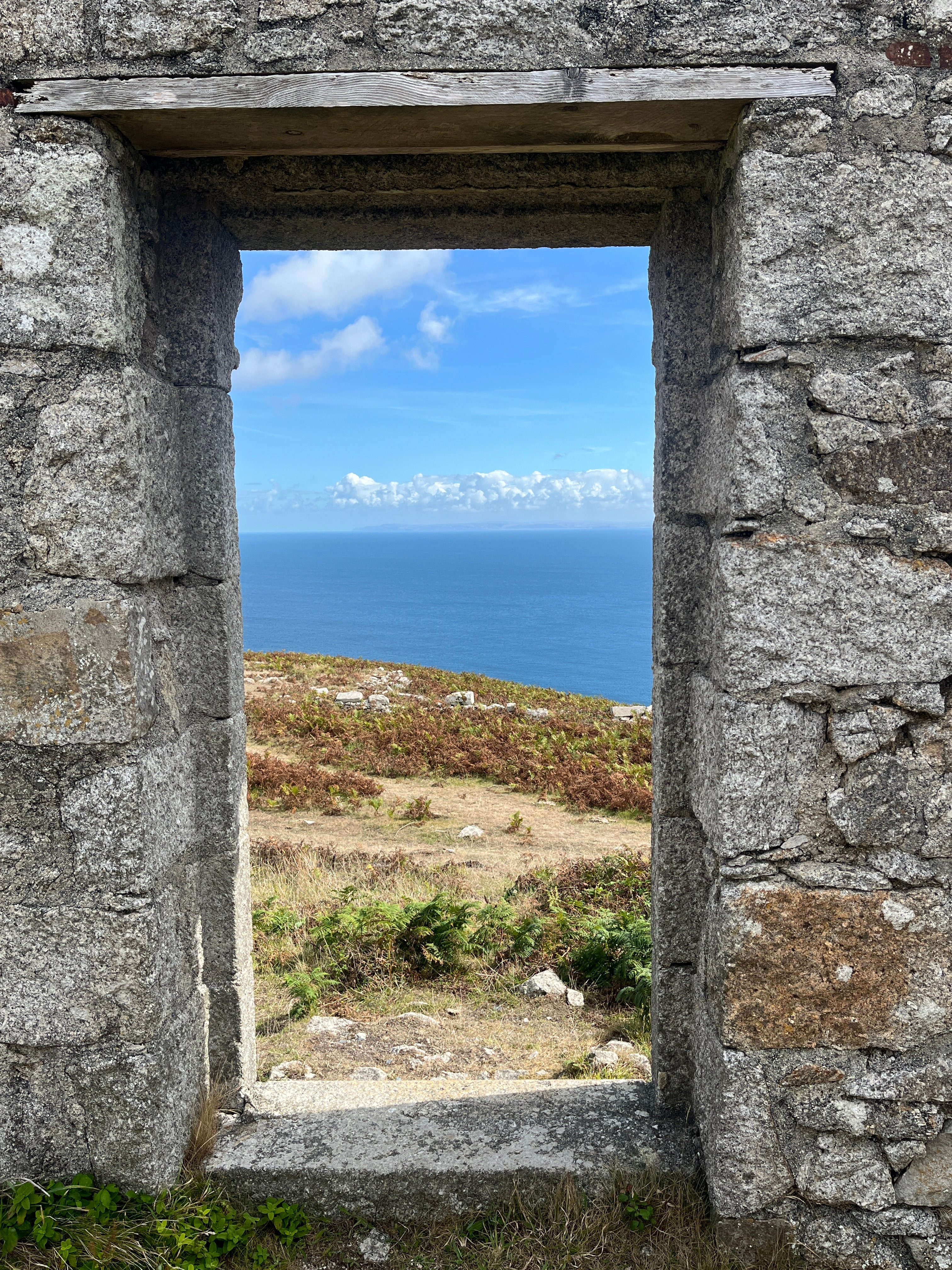
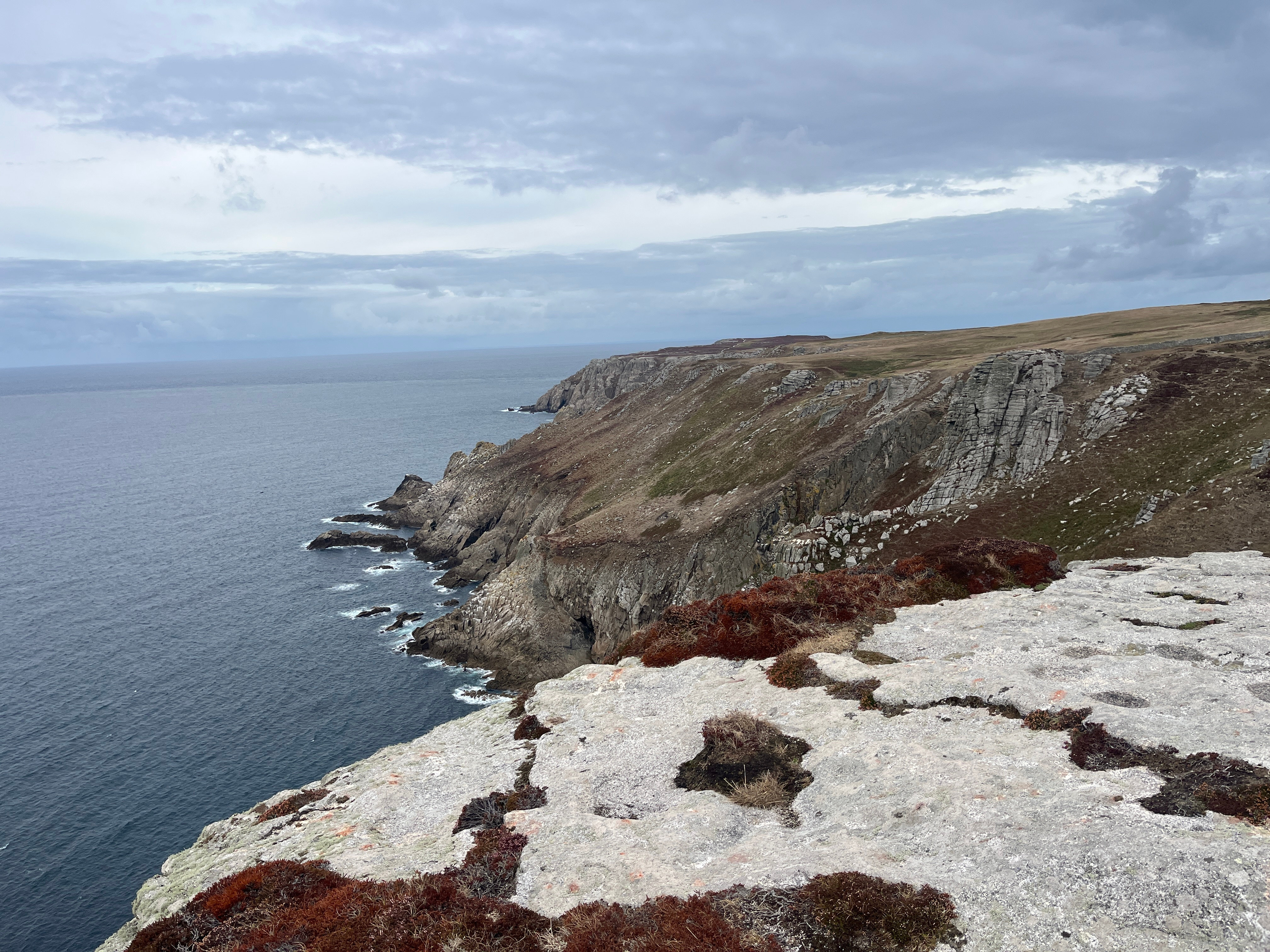
One of the problems with being a small island in the middle of the Bristol Channel is that it is very easy for darkness and fog to hide the island from view. Because of this, many boats have been wrecked on the island. To help prevent this, a successive series of lighthouse and other navigational aids have been built on the island.
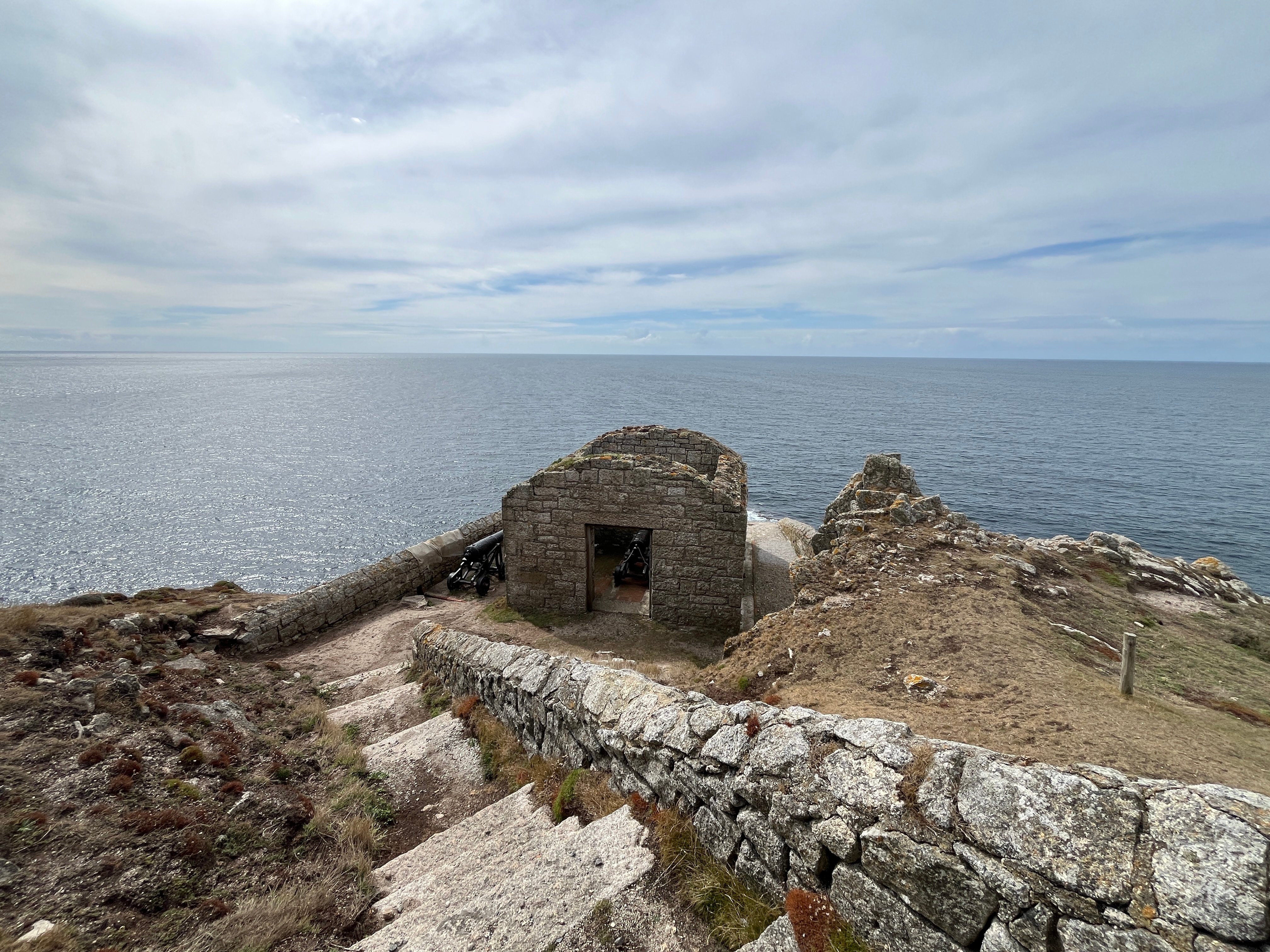
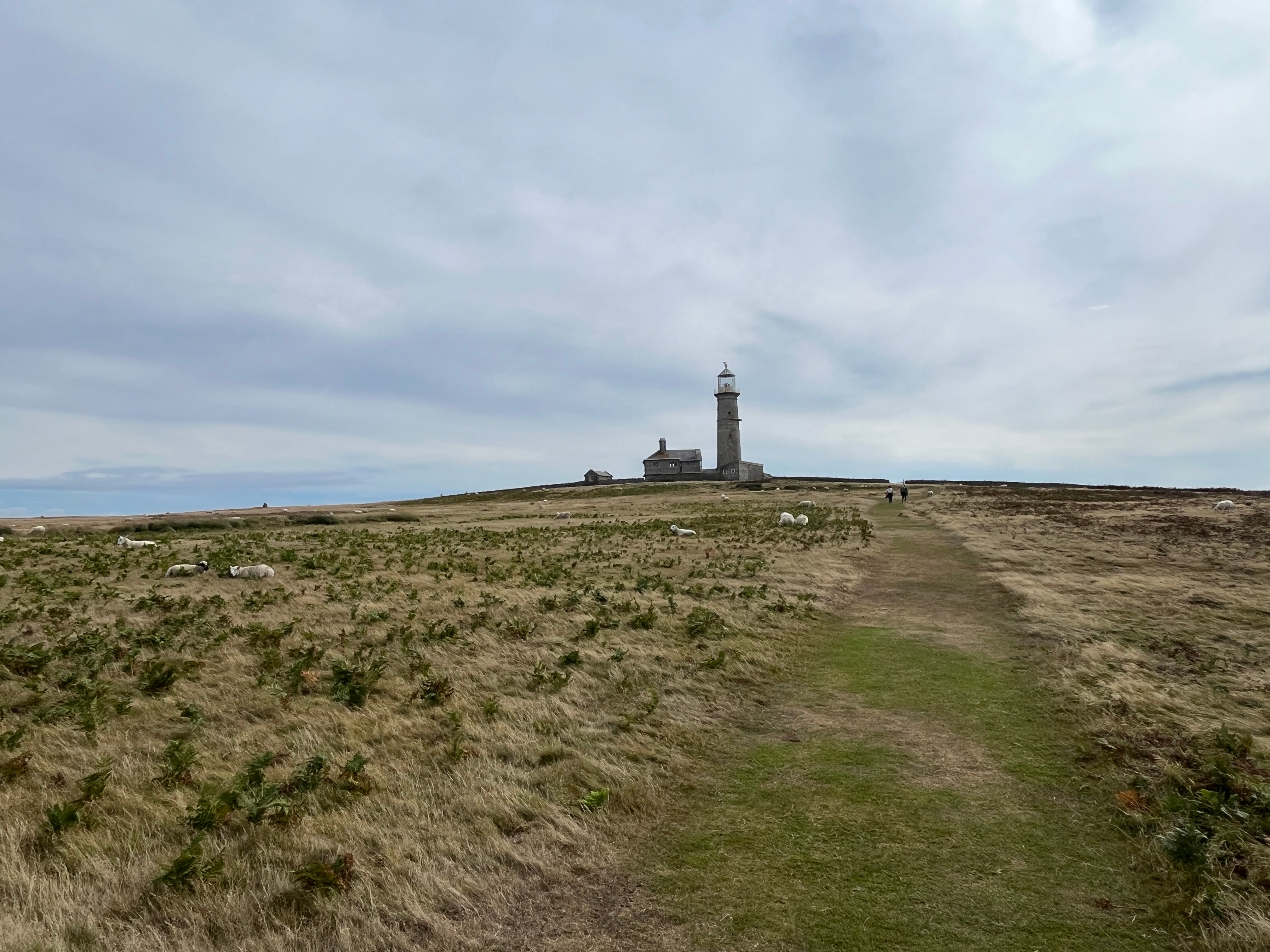
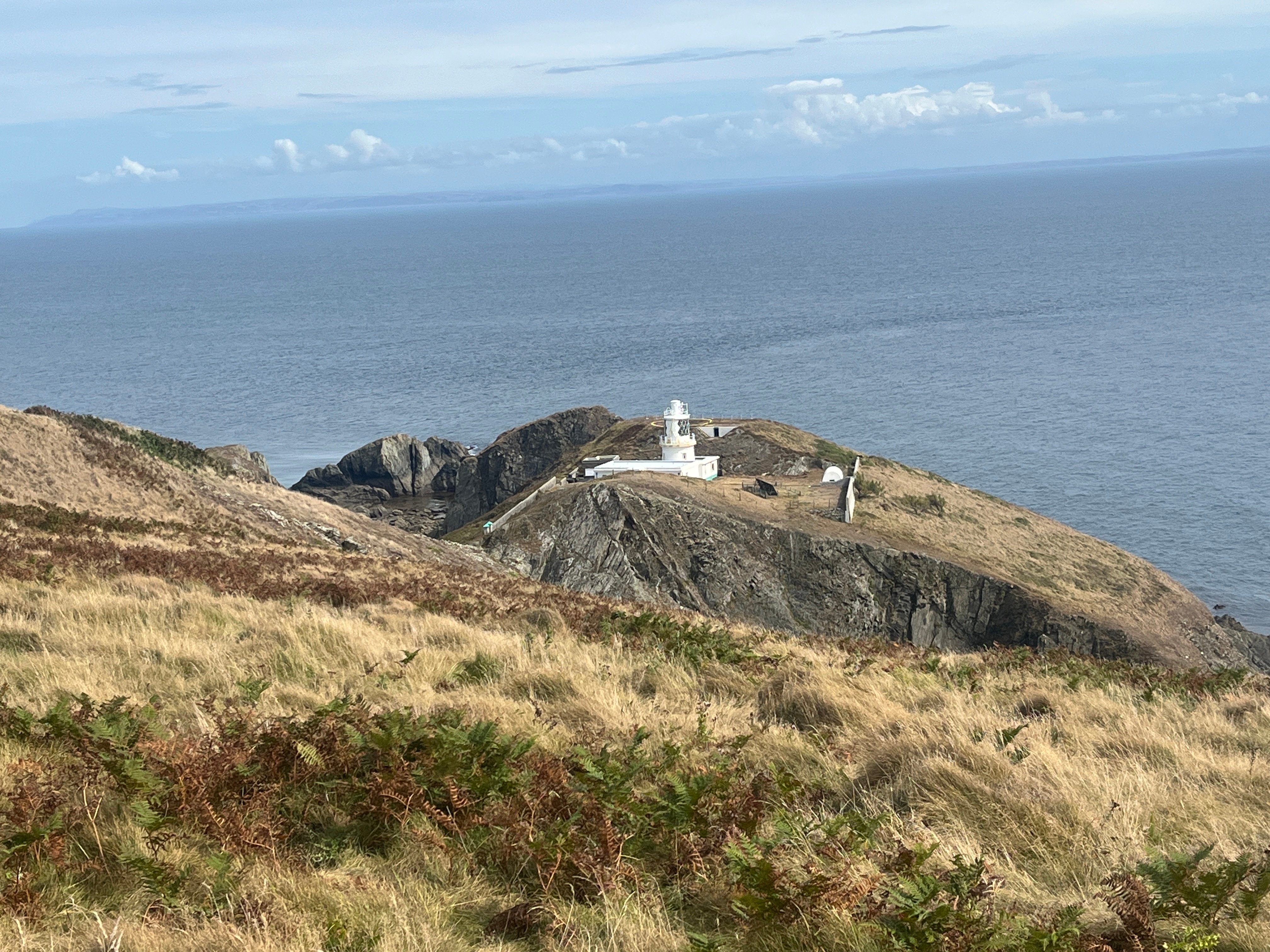
After seeing the south lighthouse, I made my way back down to the harbour to catch the ferry back to Bideford. I genuinely loved this island. I cannot wait to go back and stay for a few days to explore more of the island. There is something about the remoteness of the island, the lack of phone service & WiFi, the wildlife and the history that makes it a very special place.